
Key Takeaways:
- Purchasing power measures how much goods and services money can buy.
- Inflation reduces purchasing power because rising prices make everyday items more expensive.
- Food prices, fuel costs, and exchange rate fluctuations are major factors affecting Nigerians.
- Weak purchasing power can reduce savings, increase living costs, and lower living standards.
- Budgeting, increasing income sources, and investing wisely may help protect purchasing power.
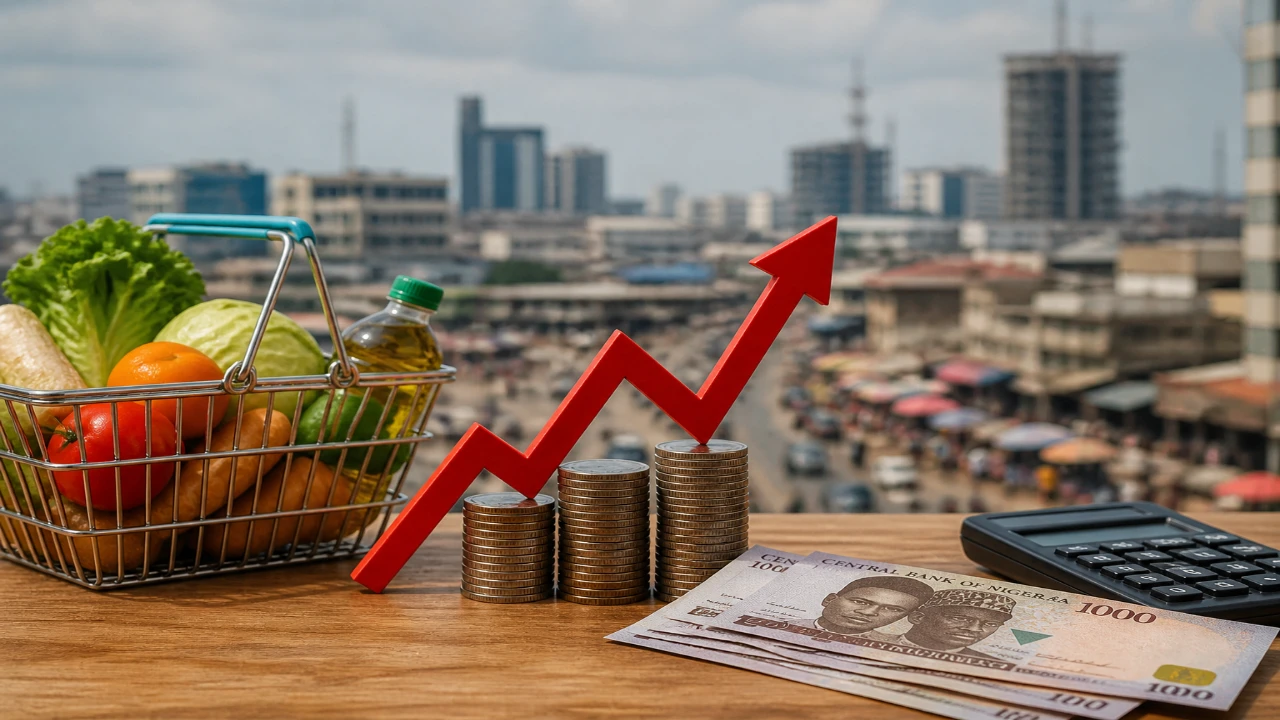
Purchasing power refers to the amount of goods and services your money can buy at a given time. In simple terms, it measures the real value of money in everyday life. When prices rise while income remains the same, purchasing power falls because the same amount of money can buy fewer goods and services.
For Nigerians, purchasing power affects almost every part of daily living — from transportation and food to rent, fuel, school fees, electricity, and healthcare. As inflation increases, many households notice that salaries and business income no longer stretch as far as they used to.
Understanding Purchasing Power
Purchasing power is sometimes called buying power. It explains how valuable money is in practical terms.
For example, if ₦10,000 could buy a basket of groceries two years ago but can only buy half of those items today, the purchasing power of the naira has declined.
Purchasing power changes over time because prices do not remain constant. Inflation, exchange rates, fuel prices, income growth, and economic conditions all influence how much people can afford.
When prices rise faster than wages or business income, consumers lose purchasing power. On the other hand, when income grows faster than inflation, purchasing power improves.
How Inflation Reduces Purchasing Power in Nigeria
Inflation is one of the biggest reasons purchasing power declines. Inflation refers to the general increase in the prices of goods and services over time.
Nigeria has experienced persistent inflation in recent years, especially in food, transportation, and energy costs. According to data from the National Bureau of Statistics (NBS), Nigeria’s annual inflation rate rose to 15.38% in March 2026 from 15.06% in February 2026, ending an 11-month disinflation trend.
Food inflation climbed to 14.31%, while transportation inflation increased sharply to 16.9%. Rising fuel costs also contributed to higher living expenses across the country.
This means that many Nigerians now spend significantly more money on essentials than they did a few years ago.
Example of Purchasing Power Loss
Imagine a worker earning ₦150,000 monthly in Lagos. A few years ago, that income may have comfortably covered:
- Rent contribution
- Transportation
- Food
- Electricity
- Data subscription
- Savings
Today, rising prices of fuel, food, and transportation may force the same worker to cut spending or abandon savings completely. Even if income remains unchanged, its real value falls as prices continue to rise.
Why Purchasing Power Matters to Nigerians
Purchasing power directly affects living standards. When purchasing power weakens, households struggle to maintain their previous lifestyle. In Nigeria, this affects:
- Workers on fixed salaries
- Small business owners
- Students
- Pensioners
- Transport operators
- Farmers
- Freelancers
For many Nigerians, declining purchasing power means:
- Smaller food portions
- Reduced savings
- Increased debt
- Lower business profits
- Difficulty paying rent and school fees
- Higher transportation expenses
The impact is usually strongest on low-income households because a large portion of their earnings goes toward essentials such as food and transportation.
Food Prices and Purchasing Power in Nigeria
Food accounts for the largest portion of Nigeria’s inflation basket, representing over 50% of the Consumer Price Index (CPI).
This means food inflation has a major effect on household purchasing power.
When prices of rice, garri, bread, cooking oil, tomatoes, yam, and beans increase, families spend more money just to maintain their normal food consumption.
For example:
- A bag of rice that sold for ₦35,000 a few years ago may now cost far more.
- Transportation costs for moving farm produce have also increased because of higher fuel prices.
- Imported food products become more expensive when the naira weakens against foreign currencies.
As a result, many Nigerians adjust by:
- Buying smaller quantities
- Switching to cheaper alternatives
- Reducing non-essential spending
Fuel Prices and Transportation Costs
Fuel prices have become one of the strongest drivers of purchasing power loss in Nigeria. According to NBS data for March 2026:
- Premium Motor Spirit (PMS) averaged about ₦1,288 per litre
- Diesel averaged over ₦1,648 per litre
- Kerosene averaged above ₦2,430
- Cooking gas prices also remained high
Because transportation affects almost every sector of the economy, higher fuel prices increase the cost of:
- Public transport
- Food delivery
- Manufacturing
- Logistics
- Electricity generation
- Ride-hailing services
When transport costs rise, businesses transfer those costs to consumers through higher prices. This further weakens purchasing power.
Exchange Rates and the Value of the Naira
Exchange rates also influence purchasing power in Nigeria. Nigeria relies heavily on imported products such as:
- Electronics
- Machinery
- Pharmaceuticals
- Fuel-related products
- Industrial materials
When the naira weakens against the US dollar, imported goods become more expensive. Businesses often increase prices to cover higher import costs.
Even locally produced goods may become more expensive if manufacturers rely on imported raw materials or equipment.
This is why exchange rate fluctuations can quickly affect everyday prices across the country.
Consumer Price Index (CPI) and Purchasing Power
Economists use the Consumer Price Index (CPI) to measure inflation and track purchasing power changes.
Nigeria’s CPI monitors price movements across hundreds of goods and services commonly used by households.
The major categories include:
- Food and non-alcoholic beverages
- Housing and utilities
- Transportation
- Clothing and footwear
- Health
- Education
- Communication
When the CPI rises, it usually signals that consumers need more money to maintain the same standard of living. A rising CPI therefore indicates declining purchasing power.
How Purchasing Power Affects Nigerian Businesses
Purchasing power affects not only households but also businesses across Nigeria. When consumers can afford less, businesses may experience:
- Lower sales
- Reduced customer demand
- Slower growth
- Higher operating costs
Small businesses often feel the pressure first because customers reduce discretionary spending during periods of inflation.
For example:
- Restaurants may see fewer customers
- Fashion businesses may record slower sales
- Electronics sellers may struggle as imported goods become costlier
- Transport operators may face higher fuel expenses
Some businesses respond by increasing prices, downsizing operations, or offering cheaper alternatives.
Can Purchasing Power Improve?
Yes, purchasing power can improve under certain conditions.
Purchasing power rises when:
- Inflation slows down
- Income increases
- Exchange rates stabilize
- Fuel prices decline
- Economic productivity improves
For workers, salary increases and additional income streams can help offset inflation.
For businesses, increased sales and efficiency may help protect profit margins during difficult economic periods.
Governments and central banks also attempt to manage inflation through monetary and fiscal policies.
How Nigerians Can Protect Their Purchasing Power
Although individuals cannot fully control inflation, there are ways to reduce its impact.
1. Increase Income Sources
Many Nigerians now combine salaries with side businesses, freelancing, farming, online work, or investments to improve financial stability.
2. Invest Wisely
Some investments may perform better than inflation over time. Examples include:
- Stocks
- Real estate
- Businesses
- Treasury instruments
- Dollar-denominated assets
3. Create a Budget
Budgeting helps households monitor spending and avoid unnecessary expenses during periods of rising prices.
4. Reduce Wasteful Spending
Cutting avoidable expenses can help preserve purchasing power.
5. Buy in Bulk
Buying essential goods in larger quantities may reduce long-term costs, especially during periods of rapid inflation.
6. Learn High-Income Skills
Digital skills, remote work, and professional development can help Nigerians earn more and better cope with rising living costs.
Purchasing Power and Standard of Living
Purchasing power is closely tied to quality of life. When purchasing power weakens significantly, the effects may include:
- Savings lose value
- Living standards decline
- Poverty rates may rise
- Consumer confidence falls
On the other hand, stronger purchasing power improves economic well-being because people can afford more goods and services with their income.
For many Nigerians, purchasing power has become one of the country’s most important economic concerns because it affects everyday living.
The Bottom Line
Purchasing power measures how much goods and services money can buy. In Nigeria, purchasing power is heavily affected by inflation, fuel prices, exchange rates, transportation costs, and income levels.
As prices continue to rise, many Nigerians find it harder to maintain the same lifestyle with the same amount of income. Food inflation, higher transport costs, and currency weakness have reduced the real value of money for households and businesses alike.
Understanding purchasing power helps Nigerians make better financial decisions, prepare for inflation, and find ways to protect their standard of living in a changing economy.
Sources
- Central Bank of Nigeria (CBN) — Inflation Rates https://www.cbn.gov.ng/rates/inflrates.html
- National Bureau of Statistics (NBS) https://www.nigerianstat.gov.ng/
- Empower — “What is purchasing power and how it works” https://www.empower.com/the-currency/money/purchasing-power
- Investopedia — “Purchasing Power Explained: How Inflation Impacts Value” https://www.investopedia.com/terms/p/purchasingpower.asp
- Trading Economics — Nigeria Inflation Rate https://tradingeconomics.com/nigeria/inflation-cpi