
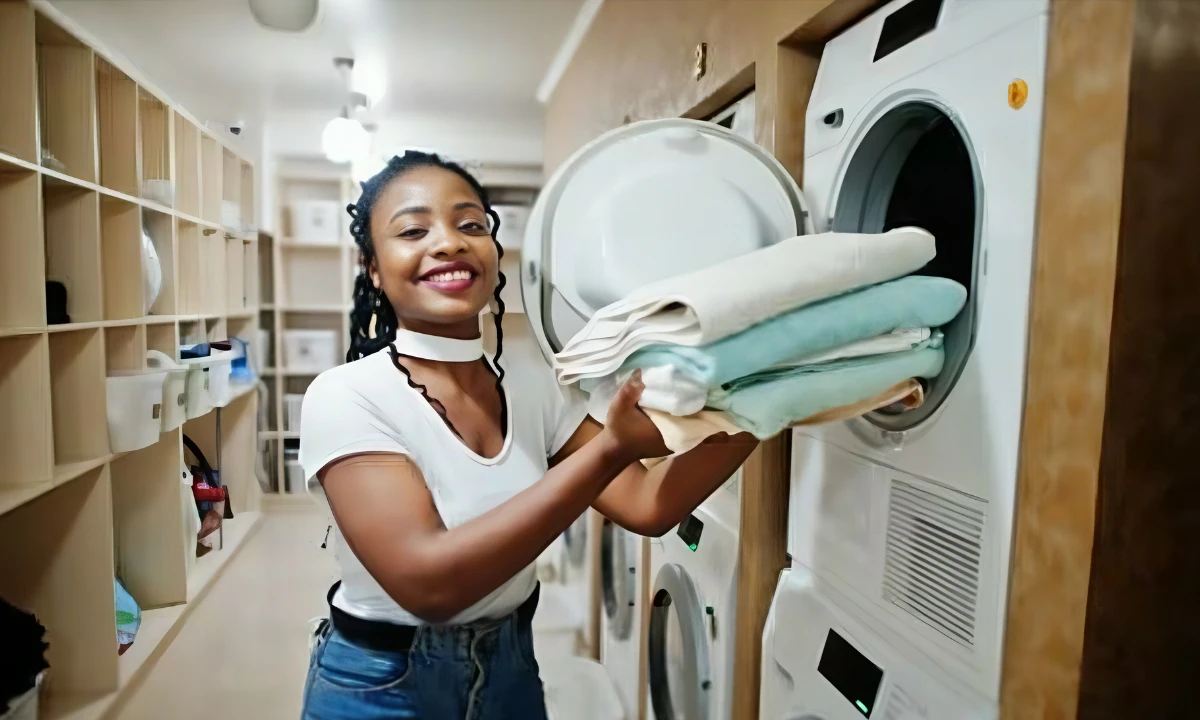
In the bustling urban centers of Nigeria—from the high-energy streets of Lagos and the diplomatic enclaves of Abuja to the industrial hubs of Port Harcourt and Kano—time has become the most valuable currency. As more Nigerians join the corporate workforce and the middle class continues to expand, the demand for outsourced domestic services has skyrocketed. Among these, the laundry business stands out as one of the most resilient, scalable, and profitable ventures anyone can start today.
Whether you are a young graduate looking for self-employment or an experienced professional seeking a side hustle that can eventually become your main income stream, starting a laundry business in Nigeria is a strategic move. However, like any business in the Nigerian environment, it requires more than just a washing machine and some detergent; it requires a blend of grit, local intelligence, and excellent service delivery.
In this comprehensive guide, we will walk through the practical, step-by-step process of setting up a laundry business that doesn’t just survive the first year but thrives in the Nigerian market.
1. Understanding the Market: Why Laundry?
Before you spend a single Naira, it is important to understand the “Why.” Nigeria is home to over 200 million people. Urbanization is happening at a rapid rate. Professionals working 9-to-5 (which often ends up being 8-to-8 due to traffic) simply do not have the energy to tackle a mountain of clothes over the weekend.
Furthermore, the “Owambe” culture in Nigeria—weddings, funerals, and parties—means there is a constant flow of delicate fabrics like Aso-Ebi, lace, and expensive Agbadas that require professional care. This creates a steady demand that is largely recession-proof. People must wear clothes, and those clothes must be cleaned.
2. Choosing Your Niche and Business Model
Not all laundry businesses are the same. You need to decide which segment of the market you want to serve based on your available capital.
- The Home-Based Model: You start from your backyard or a spare room. You pick up clothes from neighbors and friends, wash them using your home equipment, and deliver them. This is low-risk and low-cost.
- The Specialized Dry Cleaning Boutique: This focuses on high-end clients, suits, and delicate fabrics. It requires more expensive equipment but allows for higher profit margins.
- The Industrial/Commercial Laundry: This involves partnering with hotels, hospitals, or restaurants to wash linens, towels, and uniforms in bulk.
- The Self-Service Laundromat: A relatively new concept in Nigeria, where customers pay to use your machines. This works best in high-density student areas.
3. Conduct a Realistic Market Survey
Don’t just assume people will come to you because you are there. Spend a week observing your chosen neighborhood.
- How many laundry shops are already there?
- What is their average turnaround time? (Is it 3 days? Can you do it in 24 hours?)
- What are their prices?
- What are customers complaining about? (Usually, it’s ruined buttons, clothes being swapped, or late deliveries.)
Identifying these gaps will help you form your Unique Selling Proposition (USP).
4. Drafting Your Business Plan
A business plan isn’t just a document for the bank; it’s your roadmap. It should detail:
- Executive Summary: Your vision for the business.
- Financial Projections: How much do you need for rent, equipment, and chemicals? How many shirts do you need to wash daily to break even?
- Marketing Strategy: How will you get your first 50 customers?
- Operations: Will you offer pickup and delivery? (Hint: In Nigeria, this is almost mandatory for success now).
5. Legal Requirements and Registration
To be taken seriously in Nigeria, you need to be legal.
- Corporate Affairs Commission (CAC): Register your business name. This allows you to open a corporate bank account, which builds trust with clients.
- Local Government Levies: Be prepared for “tenement rates” and environmental levies. Visit your local government secretariat to find out the specific permits required for a small business in your area to avoid “area boys” or overzealous officials disrupting your work.
6. Securing the Right Location
In the laundry business, location can be 70% of your success.
- Accessibility: Is it easy for customers to drop off clothes on their way to work?
- Proximity to Target Market: Look for areas with high concentrations of bachelors, working-class families, or students.
- Water Supply: You cannot run a laundry without a consistent water source. If the location doesn’t have a borehole, you must factor in the cost of buying water tankers.
- Power: Check the “light” situation in the area. You will need a location where the transformer is stable, even if you plan to use a generator.
7. Essential Equipment and Supplies
The quality of your equipment determines the lifespan of your customers’ clothes.
The Hardware:
- Washing Machines: Start with at least two—one heavy-duty (10kg-15kg) and one smaller one. Front-loaders are generally better for fabric care than top-loaders.
- Dryers: While the Nigerian sun is free, a dryer is essential for rainy seasons and for meeting quick deadlines.
- Pressing Irons and Ironing Tables: Invest in industrial steam irons. They are faster and less likely to burn delicate fabrics compared to standard dry irons.
- Power Generator: This is non-negotiable. A 5KVA to 10KVA generator is usually sufficient to power a couple of machines and irons simultaneously.
- Water Storage Tanks: Large “Geepee” tanks to ensure you never run dry.
- Hanging Racks and Shelves: For organizing finished work.
The Consumables:
- Detergents: Use professional-grade detergents that remove stains without bleaching colors.
- Starch: Nigerians love their “strong” starch, especially for native wears. Offer different levels of starching.
- Stain Removers: For oil, ink, and sweat stains.
- Packaging Materials: Branded nylon bags, hangers, and tags. Packaging is what makes a customer feel they are getting value for their money.
8. Navigating the “Nigerian Factor”: Power and Water
Let’s be honest: the two biggest hurdles in Nigeria are electricity and water.
- Power Strategy: Fuel costs can eat up your profits. Try to do the bulk of your washing during the hours when there is grid power. Use the generator primarily for finishing (ironing) and urgent orders. Consider solar power for your lighting and fans to keep the shop cool, though running heaters/motors on solar requires a very expensive setup.
- Water Strategy: Ensure you have a good filtration system. “Brown water” from a poorly maintained borehole will ruin white shirts and destroy your reputation instantly.
9. Staffing and Training
You cannot do everything alone if you want to scale. You will eventually need:
- A Washer/Dryer Operator.
- A Presser (Ironer): This is the most skilled position. A bad ironer can ruin a client’s expensive lace in seconds.
- A Front Desk/Customer Service Officer: Someone polite who can document stains upon receipt so you aren’t blamed for them later.
- A Dispatch Rider: For pickups and deliveries.
Pro-tip: Pay your staff well and treat them with respect. The turnover rate in the laundry industry is high, and losing a good ironer right before a busy weekend can be a disaster.
10. Marketing: Getting the Word Out
In 2026, a “Laundry” sign outside your shop is not enough.
- WhatsApp Business: This is your most powerful tool. Use your status to show “Before and After” photos of stain removals. Send reminders to customers on Friday evenings to bring their weekend laundry.
- Instagram and TikTok: Post videos of neatly folded clothes and the “behind the scenes” of your cleaning process. It builds trust.
- Referral Programs: Give a 10% discount to any customer who brings a friend.
- The “First Impression” Discount: Offer a “First 5 shirts washed for free” or a heavy discount for first-time walk-ins.
- Corporate Partnerships: Approach small hotels or gyms and offer to handle their towels at a discounted bulk rate.
11. Pricing Strategy
Pricing in Nigeria is sensitive. If you are too expensive, people will stay at home and wash their clothes themselves. If you are too cheap, they will think you are unprofessional.
Research the prices in your area and create a tiered system:
- Basic Wash & Fold: Cheapest.
- Wash & Iron: Standard.
- Express Service: 24-hour turnaround (charge a 50-100% premium).
- Specialty Items: Wedding gowns, Agbadas, Suits, and Duvets should have specific pricing.
12. Quality Control and Customer Service
This is where 90% of Nigerian laundry businesses fail. To stand out:
- Label Everything: Use a tagging system so clothes never get lost.
- Inspect Before Receipt: Always check pockets for money or pens and point out existing tears or stains to the customer before they leave.
- Scent Matters: Use a nice fabric softener. When a customer opens their package and a fresh, clean scent hits them, they are 80% more likely to return.
- Handle Mistakes Honorably: If you burn a shirt or lose an item, don’t argue. Apologize immediately and offer a refund or a replacement. One bad review on a neighborhood WhatsApp group can do more damage than 100 flyers can fix.
13. Challenges to Anticipate
- Fuel Price Fluctuations: This will affect your delivery costs and generator running time. Always have a small buffer in your pricing.
- Equipment Breakdown: Have a reliable technician on speed dial. Regular maintenance is cheaper than emergency repairs.
- Staff Dishonesty: Unfortunately, “missing” clothes or staff taking “side jobs” using your soap and power is common. Implement strict inventory checks.
14. Scaling Your Business
Once the first branch is profitable, don’t just sit back.
- Add Services: Offer carpet cleaning, upholstery cleaning, or even home fumigation.
- Open a Collection Center: You don’t need a full laundry setup everywhere. You can have small “kiosks” where people drop off clothes, which you then transport to your main hub for washing.
- Invest in Technology: Use a basic laundry management software to track orders, send automated SMS notifications to customers when their clothes are ready, and manage your accounts.
Conclusion
Starting a laundry business in Nigeria is a marathon, not a sprint. It is a business built on the foundation of Trust and Consistency. In a country where many things don’t work as they should, being the one person who delivers clean, crisp, and well-packaged clothes on time will make you a hero in your community—and a very successful entrepreneur.
The initial stages will be demanding. You will likely spend long hours dealing with humidity, noisy generators, and demanding clients. But as you build a loyal customer base and streamline your operations, the rewards are significant. Nigeria’s economy thrives on service, and providing a service that directly improves people’s lives and gives them back their weekends is a recipe for long-term success.
Take that first step today. Start small if you must, but start with excellence. The market is waiting for you.